No technical co-founder
You know the market and the problem, but nobody on your side can judge the code.
We plan, design and build MVPs, web apps and mobile apps, then keep improving them every week.
Startiffy builds MVPs, web apps and mobile apps for non-technical founders. A product manager scopes the smallest useful version, senior engineers build it on weekly previews, and the code lives in your GitHub from day one. You see working software every week, not a promise.
Problems we solve
You know the market and the problem, but nobody on your side can judge the code.
Every quote describes a different product, so you can't compare any of them.
It got you started, and now the features you need are out of reach.
You have a long list of features and no way to tell which ones matter.
You've heard about founders who could not get their own code back.
A pitch deck only goes so far when people want to see the product work.
The most expensive mistake in a first product is building too much of it. Your product manager’s first job is to find the version that proves your idea with real users, then cut the rest. Everything that doesn’t make the first release stays on the roadmap, written down and ready for later.
That’s why two quotes for the same idea can differ so wildly. One team priced everything you mentioned, and the other priced a guess. Your written plan describes exactly what you’d get, so you can judge it for yourself.
You don’t need to be technical to know whether this is going well. Every week you open a preview link and use the product. If a screen is wrong, you say so, and it goes on the board. Your product manager explains the trade-offs in plain English.
Your code goes into your own GitHub from the first commit. If you ever leave, you take the product, the docs and Product Memory with you.
A first release is the start of the work. Real users will surprise you, and the product needs to change as you learn. Our team keeps shipping in the same weekly rhythm, watches for errors, and turns feedback into the next set of tasks. You decide what matters next, with your product manager’s advice and real usage in front of you.
What our team ships
Sign-up, billing and the one core feature your first customers will pay for.
Two sides, listings, search and payments, starting with the smallest working loop.
Calendars, reminders and payments for clinics, classes, services and rentals.
The screens your own team uses every day, in place of a tangle of spreadsheets.
Mobile apps from one codebase where that makes sense, submitted under your own accounts.
Search, summaries, assistants and document reading added to the product you already have.
How our team runs it
Describe the idea in plain words. The discovery agent captures goals and users.
The roadmap agent drafts the smallest useful version, and your product manager signs it off.
Senior engineers build on short branches, tracked on your board by the AI project manager.
Each change gets a preview link, tested by the QA agent before you see it.
Click through what shipped each week, then decide what comes next.
Our work

Client work
AkaiLon, a Unity mobile game for AkaiSpace, designed and built end to end.
Unity, C#, Speech-to-text, REST APIs
See the screens
Client work
SwapSo's iOS and Android apps, live on both stores.
iOS, Android, UPI payments, KYC, Multisig wallets, Push notifications
See the screens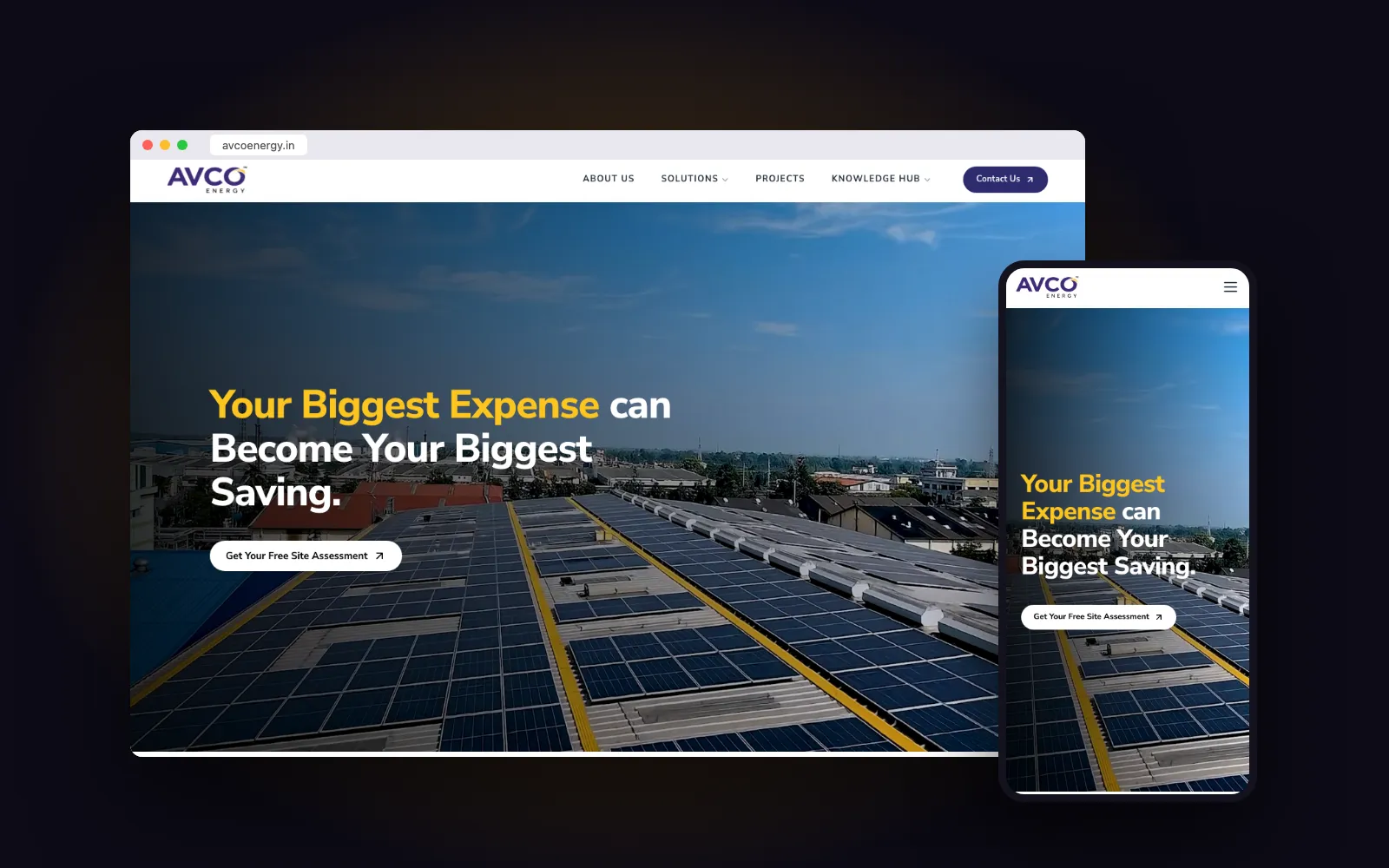
Client work
A rebrand, a new website, SEO and a content platform, in two months.
Next.js, React, Vercel, Google Analytics
See the screens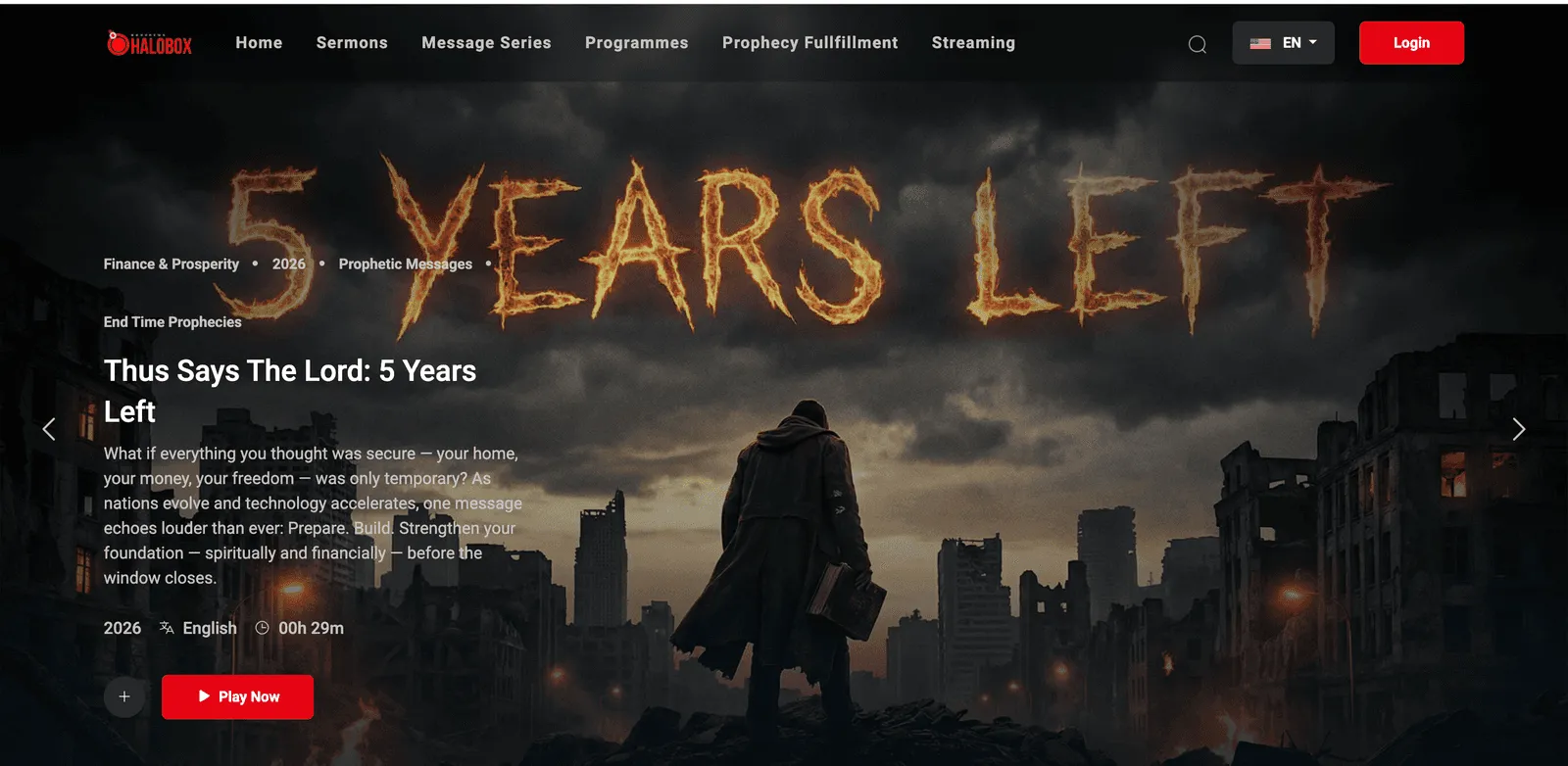
Built by our team
A Christian streaming platform with apps on iOS and Android.
Built by Aman Yadav, now part of the Startiffy team.
See the screens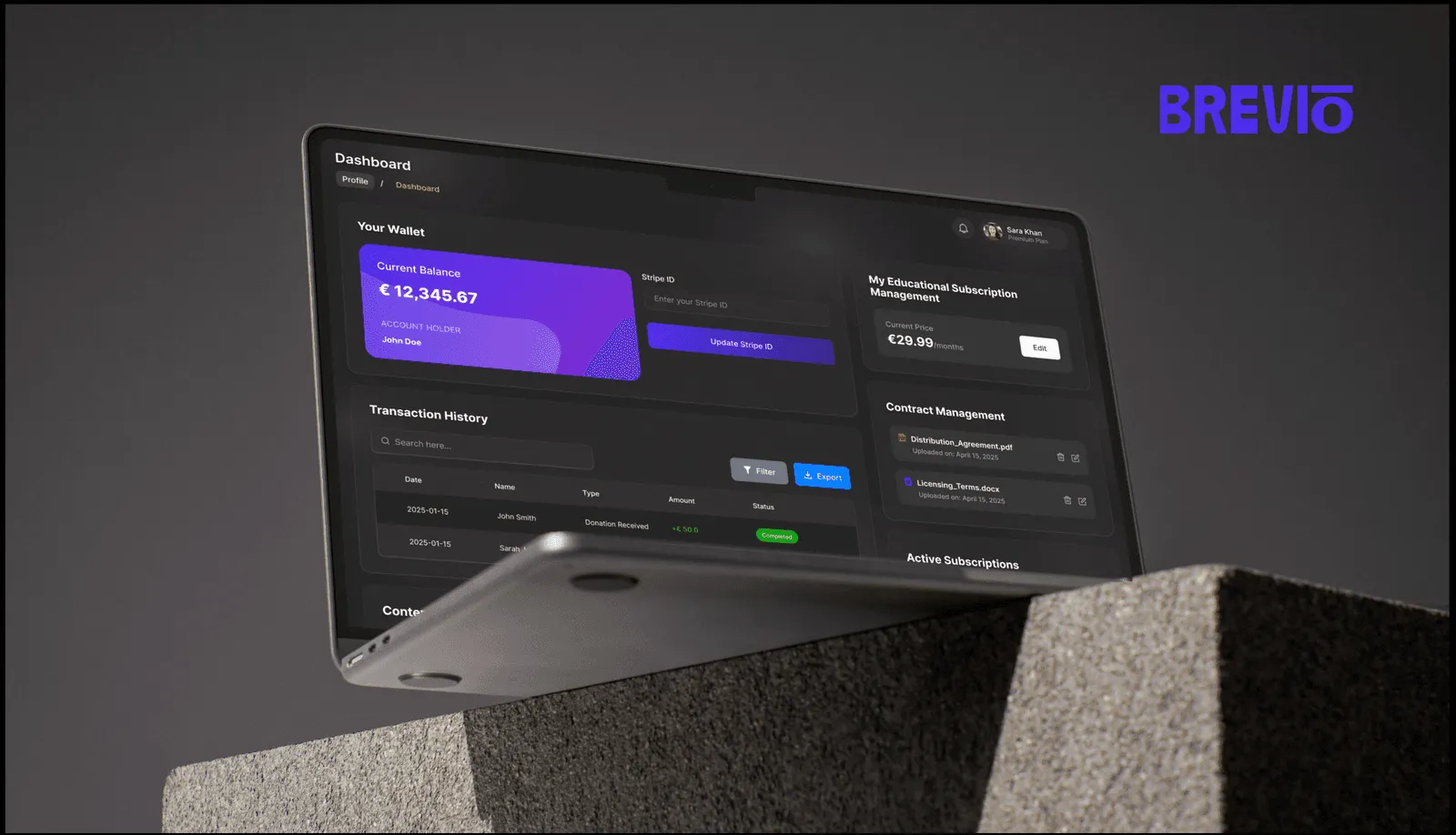
Built by our team
A storytelling platform with community support and donations, on iOS, Android and the web.
Built by Aman Yadav, now part of the Startiffy team.
See the screensProducts we planned, designed and prototyped ourselves, written up as case studies.
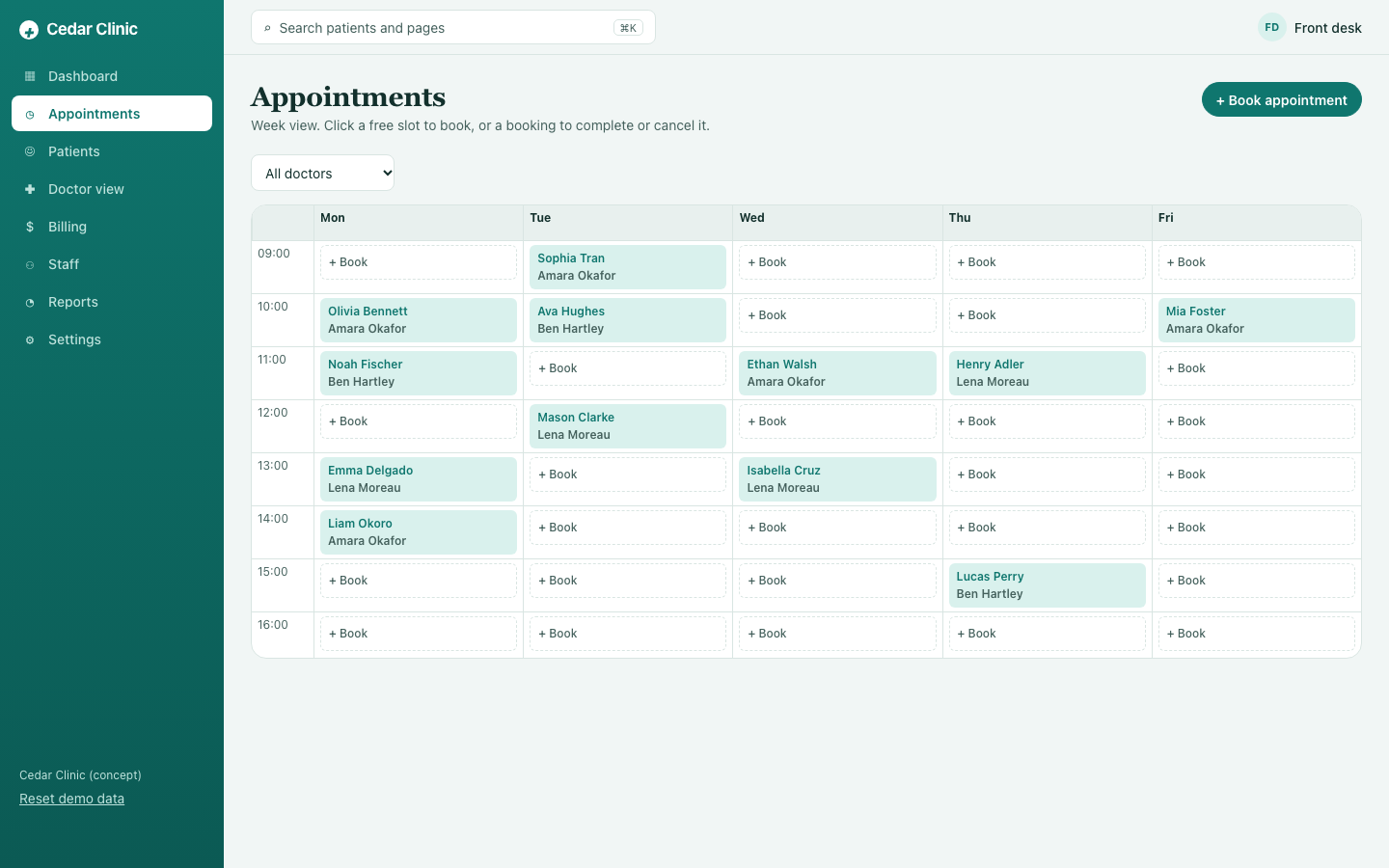
One place for appointments, records, prescriptions and billing, with safety checks built into the daily work.
View case study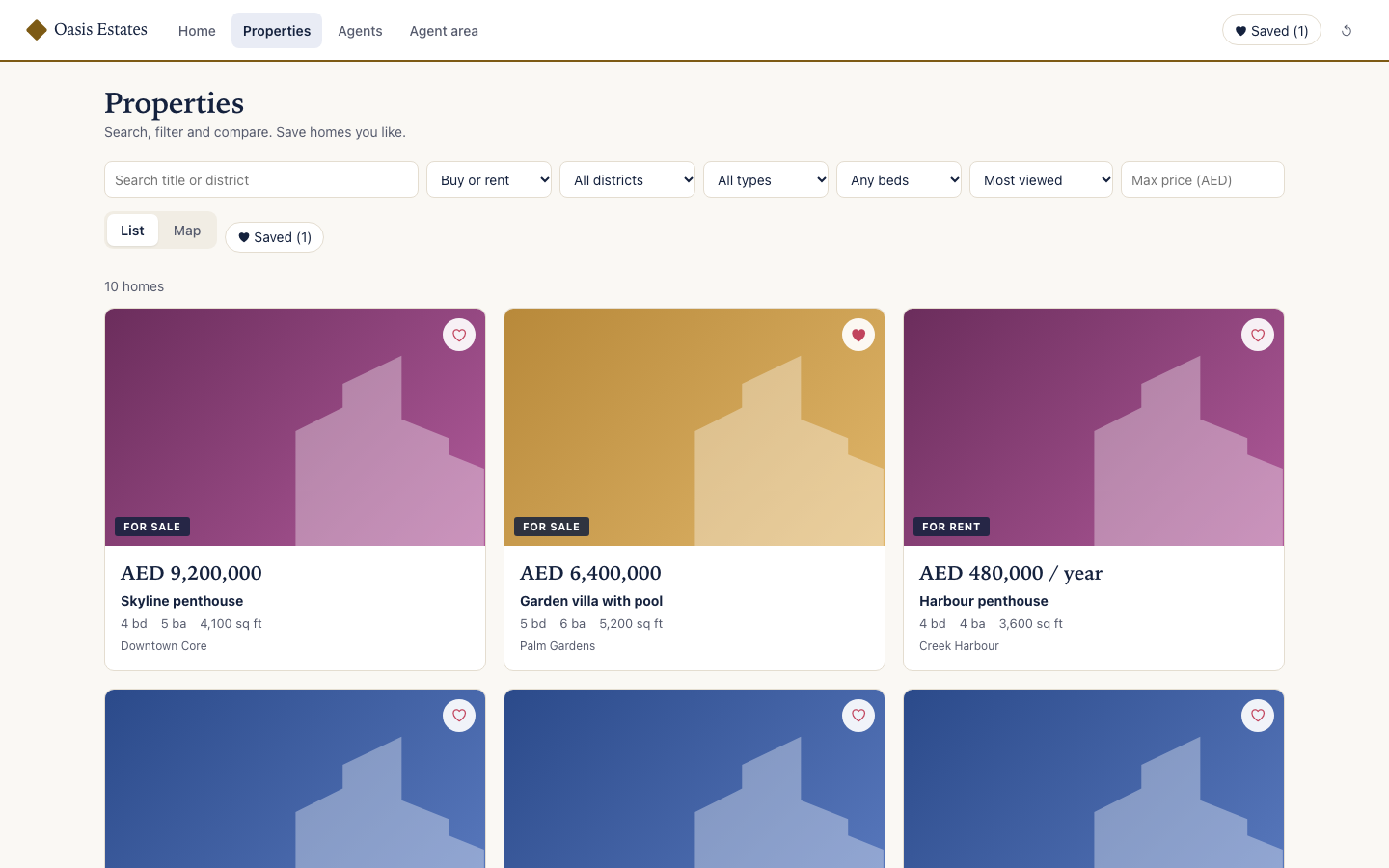
A property portal with search, a map and saved homes, plus the tools agents use to list, manage leads and read their analytics.
View case study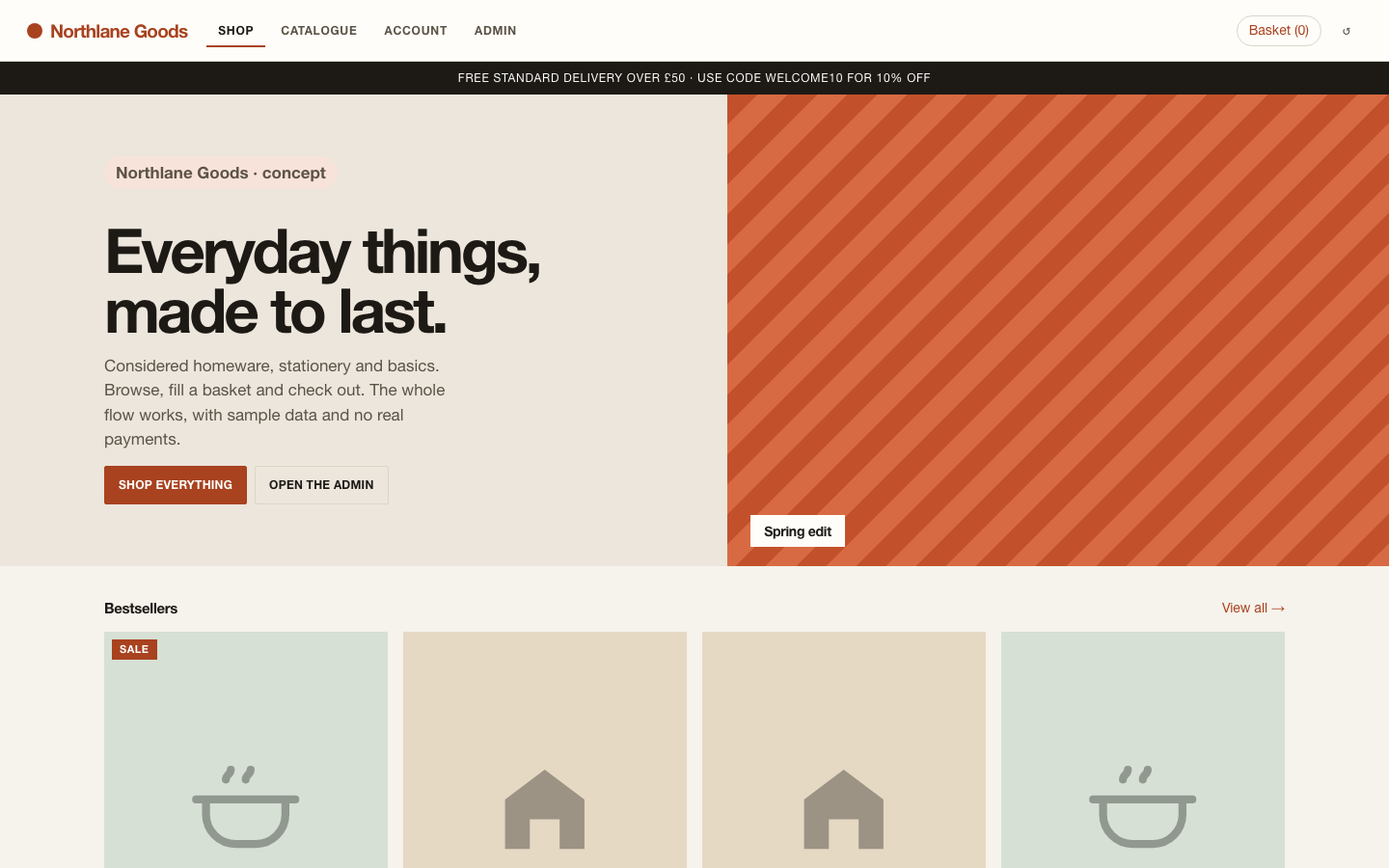
A storefront with a working basket, discount codes and checkout, plus the admin that runs stock, orders and sales.
View case study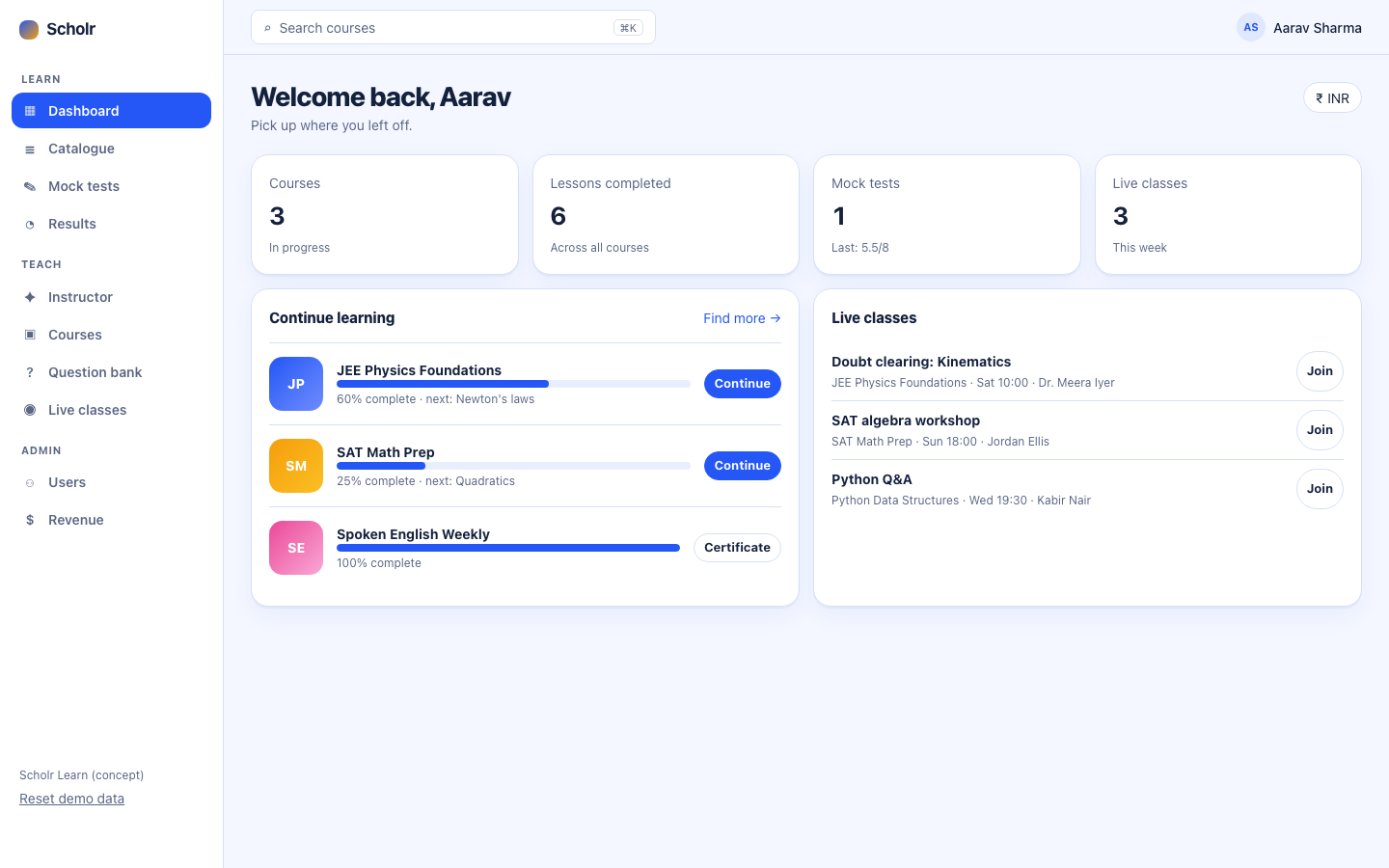
Courses, a video player with notes, timed mock tests with negative marking, and the tools instructors use to build and teach.
View case studyStart with a two-week trial sprint.
It depends on what the smallest useful version is, so your written plan gives you a price after the first call. You can start with a two-week trial sprint at $1,500, or a monthly plan from $2,900.
Your plan gives you a timeline, and every change gets a preview link from the first week. That means you can show people working software long before launch.
You do. It lives in your own GitHub from day one, along with the docs.
Yes. We review what you built, keep what still works, and move the rest into code you own.